
Jordan
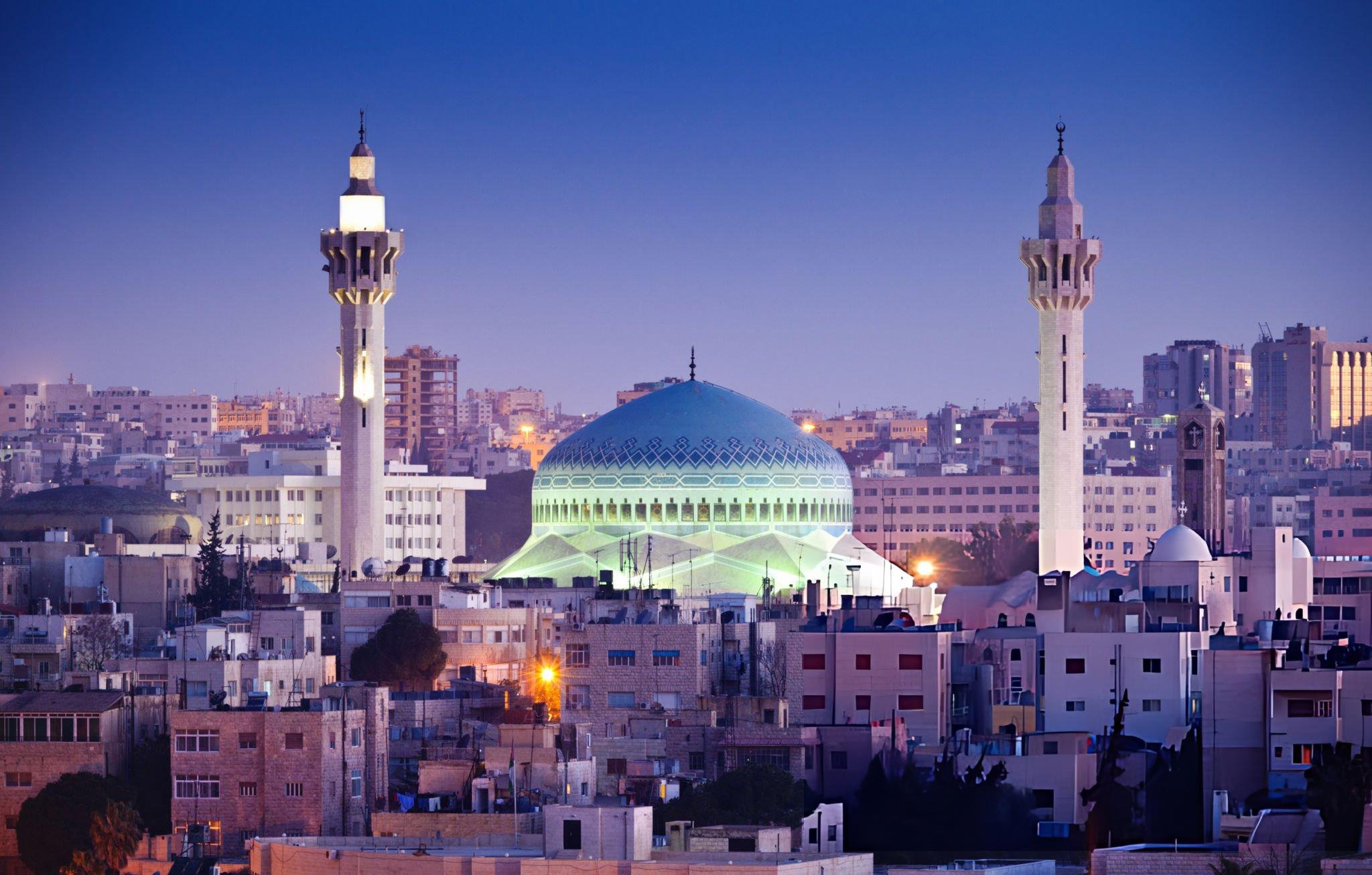
Jordan is a Middle Eastern country located at the crossroads of Asia, Africa, and Europe, known for its rich history, stunning desert landscapes, and warm hospitality. It shares borders with Saudi Arabia, Iraq, Syria, Israel, and Palestine, and has a short coastline along the Red Sea at Aqaba. The capital city, Amman, is a modern and vibrant center of culture, business, and history. Jordan has a population of around 11 million people, and the official language is Arabic, with English widely spoken. Jordan is best known for its ancient archaeological treasures, especially Petra, a UNESCO World Heritage Site and one of the New Seven Wonders of the World. Carved into rose-red cliffs, Petra attracts millions of visitors for its spectacular temples, tombs, and the famous Treasury (Al-Khazneh). Another iconic site is Wadi Rum, a vast desert with dramatic red sand dunes and rock formations, often called the “Valley of the Moon”, and popular for camping, stargazing, and adventure tours. The country also features the Dead Sea, the lowest point on Earth, known for its salty waters and natural mud with healing properties.
Jordan has a long history influenced by ancient civilizations including the Nabateans, Romans, Byzantines, and Ottomans. Visitors can explore well-preserved Roman ruins, historic castles, and biblical sites such as Mount Nebo and the Jordan River, where Jesus is believed to have been baptized. Despite being in a volatile region, Jordan is known for its stability, safety, and welcoming culture.
The best time to visit Jordan is from spring March to May and autumn September to November seasons.
During these months, the weather is mild, comfortable, and perfect for exploring the country’s famous attractions. In spring, the landscapes become greener, wildflowers bloom, and temperatures are ideal for visiting places like Petra, Wadi Rum, and the Dead Sea without the intense heat of summer.
